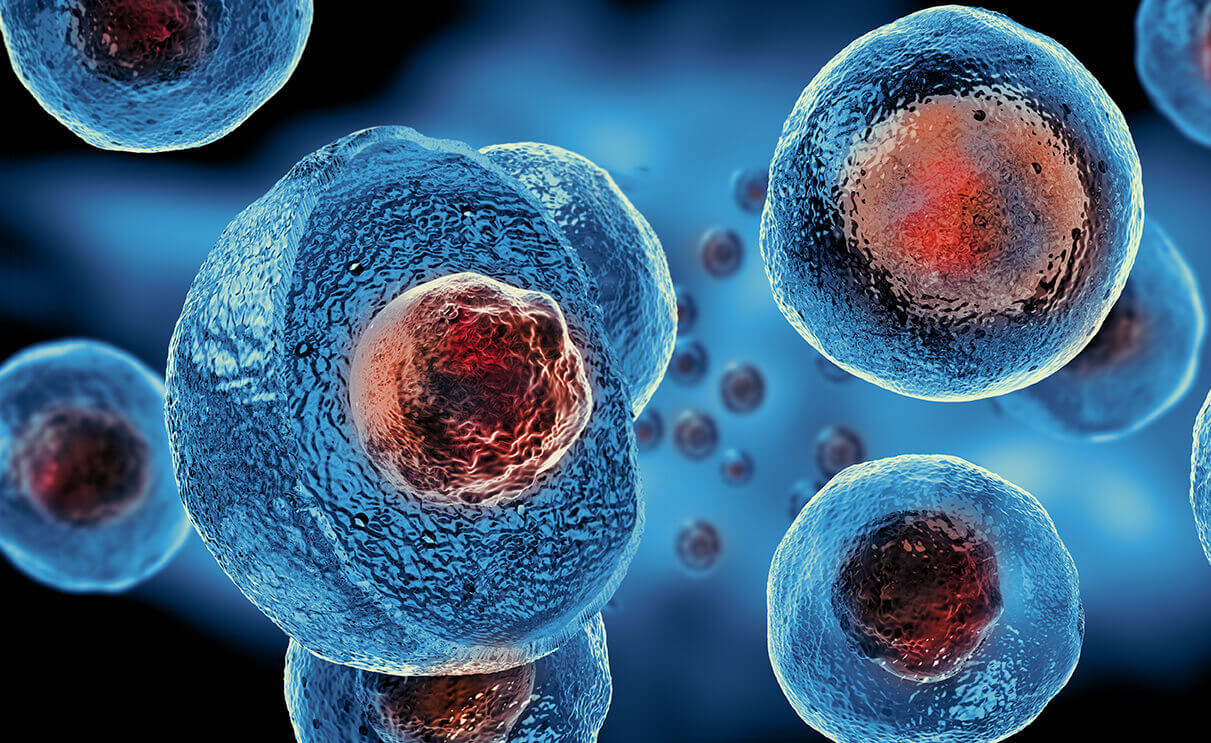
Stem Cell Therapy
Introduction
Stem cell therapy is a groundbreaking medical treatment that uses stem cells to heal or repair damaged tissues and organs.
Stem cells are remarkable because they possess the unique ability to develop into various types of specialized cells, including nerve, blood, and muscle cells.
This property allows them to potentially treat a wide range of diseases and injuries by replacing or regenerating damaged tissues and organs.
What Does Stem Cell Therapy Do?
Stem cell therapy involves introducing stem cells into a patient's body to repair or replace damaged tissues. The process begins with the cultivation of stem cells in a laboratory, where they are manipulated to specialize into the type of cells needed for treatment. For instance, stem cells can be guided to become heart cells for patients with heart disease or nerve cells for those with neurological disorders. Once specialized, these cells are then implanted into the patient’s body, often through injections or surgical procedures, depending on the condition being treated.
This therapy harnesses the body's natural repair mechanisms by providing the necessary cells to regenerate or replace damaged tissues. It offers a potential treatment for conditions that currently have limited or no effective options. Stem cell therapy is usually performed as an outpatient procedure, making it a relatively quick and less invasive alternative to traditional surgeries.
Where Do Stem Cells Come From?
Stem cells are derived from several sources:
- Embryonic Stem Cells: These are harvested from the inner cell mass of early-stage embryos. They are pluripotent, meaning they can differentiate into any cell type in the body.
- Adult Stem Cells: Found in various tissues throughout the body, such as bone marrow and adipose tissue. They are multipotent, meaning they can develop into a limited range of cell types related to their tissue of origin.
- Fetal Stem Cells: Obtained from fetal tissues and have a broader range of potential uses compared to adult stem cells.
- Induced Pluripotent Stem Cells (iPSCs): These are adult cells that have been reprogrammed back into a pluripotent state, allowing them to become any cell type. This method combines the advantages of embryonic stem cells with the reduced ethical concerns of using adult cells.
What Diseases Do Stem Cells Treat?
Stem cell therapy is being researched and used to treat a variety of diseases and conditions, including:
- Severe Aplastic Anemia: A serious condition where the bone marrow fails to produce adequate blood cells.
- Leukemia: A cancer of the blood and bone marrow that affects white blood cells.
- Lymphoma: A type of cancer that affects the lymphatic system and can involve white blood cells.
- Neurodegenerative Diseases: Conditions like Parkinson's and Huntington's disease, where stem cells may help regenerate damaged brain cells.
- Cardiovascular Diseases: Such as heart disease, where stem cells can aid in repairing damaged heart tissue and improving heart function.
- Autoimmune Diseases: Like rheumatoid arthritis and lupus, where stem cells may help modulate the immune system.
- Orthopedic Conditions: Including joint injuries and spine diseases, where stem cells can promote healing and reduce pain.
Benefits of Stem Cell Therapy
- Treatment of Cardiovascular Diseases: Stem cells can repair heart tissue and blood vessels, potentially restoring function and improving overall heart health. They may reduce scar tissue formation and enhance blood flow.
- Healing Wounds and Incisions: Stem cell therapy can accelerate the growth of healthy skin tissue, improve collagen production, and help replace scar tissue with new, healthy tissue.
- Treatment of Neurodegenerative Diseases: Stem cells can help regenerate brain neurons and other cells affected by diseases like Parkinson’s and Huntington’s, potentially improving cognitive and motor functions.
- Autoimmune Diseases: Offers a novel approach for treating autoimmune conditions by potentially resetting or modulating the immune system.
- Orthopedic Conditions: Provides relief from pain and supports healing in conditions such as spine injuries, joint problems, and sports-related injuries.
Types of Stem Cell Therapy
Autologous Stem Cell Therapy
- Description: Uses stem cells from the patient’s own body, minimizing the risk of immune rejection.
- Applications: Common for treating blood cancers, joint conditions, and certain orthopedic issues.
Allogeneic Stem Cell Therapy
- Description: Involves stem cells from a donor, which may be a matched sibling or an unrelated donor.
- Applications: Used for blood disorders and some genetic conditions.
Syngeneic Stem Cell Therapy
- Description: A type of allogeneic therapy where the donor is an identical twin, reducing immune rejection risks.
- Applications: Suitable for patients needing high compatibility.
Embryonic Stem Cell Therapy
- Description: Uses pluripotent stem cells from early-stage embryos to create any cell type.
- Applications: Research is ongoing for various conditions, including spinal cord injuries.
Induced Pluripotent Stem Cell (iPSC) Therapy
- Description: Adult cells are reprogrammed to become pluripotent, offering similar benefits to embryonic stem cells.
- Applications: Research includes regenerative medicine and disease modeling.
Disadvantages and Risks of Stem Cell Therapy
- Mutations: Stem cells may undergo genetic changes and potentially develop into cancer-like cells.
- Contamination: There is a risk of contamination with viruses or other pathogens during cell culturing.
- Immune Rejection: Even with careful matching, there is a risk that the patient’s immune system may reject transplanted cells, especially in allogeneic therapies.
- Ethical Concerns: The use of embryonic stem cells raises ethical issues related to the destruction of embryos.
Success Rate of Stem Cell Therapy
The success rates of stem cell therapy vary depending on the condition being treated:
- Blood Cancers: Stem cell transplants have a success rate of approximately 60-70%.
- Joint Repair and Autoimmune Conditions: Success rates can reach around 80% for certain treatments, including regenerative medicine and inflammatory conditions.
Side Effects
Potential side effects include:
- Infection: Risk of infection at the injection site or during the procedure.
- Rejection: The body's immune system may reject the transplanted cells.
- Allergic Reactions: Possible allergic reactions to the materials or cells used.
- Pain and Swelling: Temporary pain or swelling at the site of injection or implantation.
Is Stem Cell Therapy Permanent?
The effects of stem cell therapy can last up to one year, and many patients may not require multiple treatments. The therapy can offer an effective alternative to more invasive surgeries and procedures.
Conclusion
Stem cell therapy is a promising field with the potential to treat a variety of diseases and conditions by leveraging the body's natural healing processes. While it offers many benefits, it also has risks and limitations that should be carefully considered.
