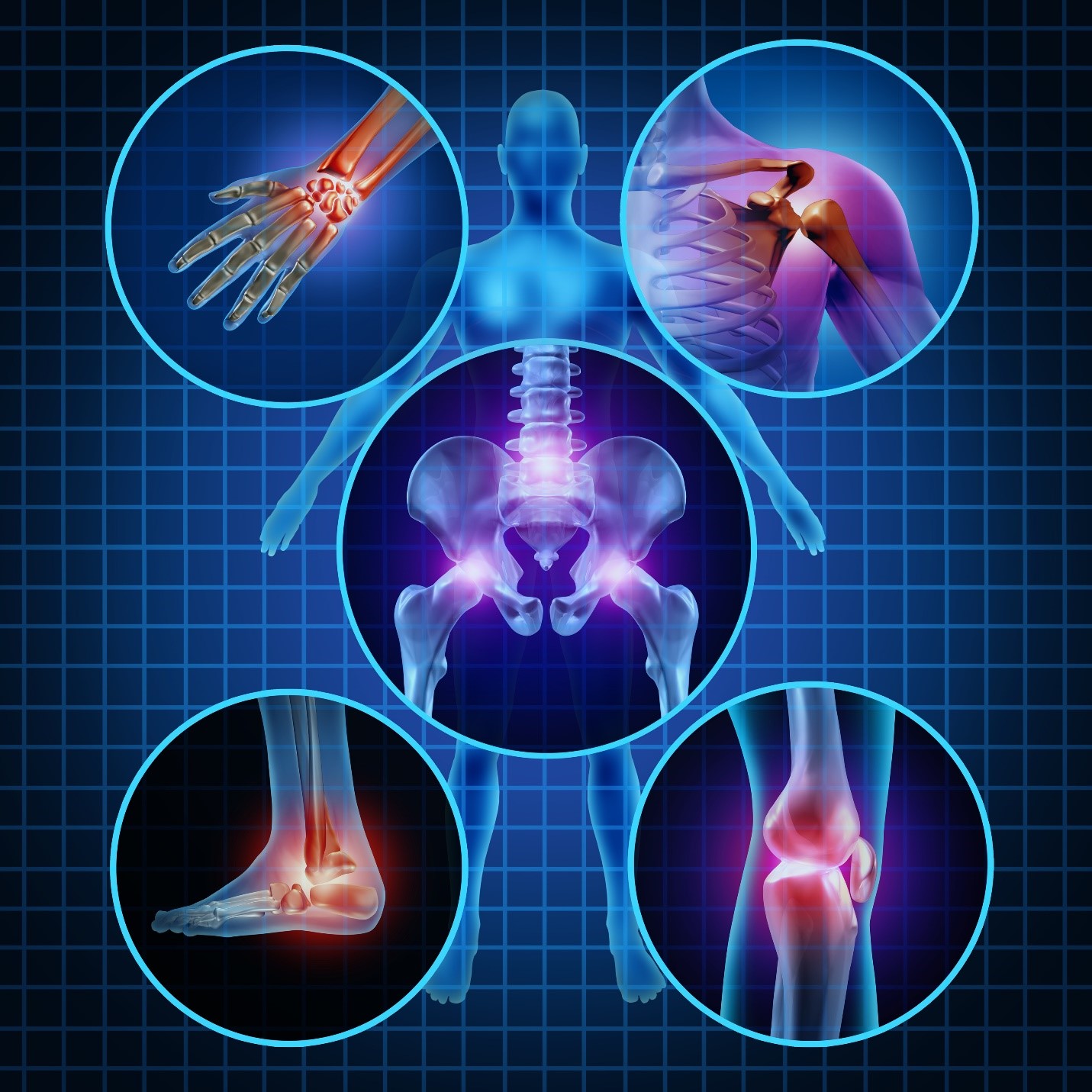
Rheumatoid Arthritis
Introduction
Rheumatoid arthritis (RA) is a chronic autoimmune disorder that primarily affects the joints, leading to inflammation, pain, and potential joint damage.
Unlike other forms of arthritis that result from wear and tear, RA is caused by the immune system mistakenly attacking the body's own tissues, specifically targeting the synovium—a soft tissue that lines the joints. This abnormal immune response causes inflammation that can not only destroy cartilage and bone within the joints but also lead to systemic symptoms affecting other organs and tissues in the body, such as the lungs, heart, and blood vessels.
RA is a complex disease with a variety of potential triggers and contributing factors.
It affects approximately 1% of the global population, with women being three times more likely to develop the condition than men.
The onset of RA most commonly occurs between the ages of 30 and 60, although it can present at any age, including in children, where it is referred to as juvenile idiopathic arthritis.
The exact cause of RA remains unknown, but it is believed to result from a combination of genetic susceptibility and environmental factors.
Genetic markers, such as the HLA-DRB1 gene, have been associated with an increased risk of developing RA.
Environmental factors, such as smoking, infections, and exposure to certain toxins, may trigger the disease in genetically predisposed individuals. Hormonal factors are also thought to play a role, as RA incidence rates differ between genders and can fluctuate during pregnancy and menopause.
RA is a progressive disease that can lead to significant disability and reduce the quality of life if not properly managed.
The chronic inflammation associated with RA can result in joint deformities and functional impairments, making everyday tasks challenging. Moreover, RA is associated with an increased risk of comorbid conditions, including cardiovascular disease, osteoporosis, and certain types of cancers. Early diagnosis and comprehensive management are crucial for improving outcomes and maintaining a good quality of life for those affected by this condition.
Causes
Rheumatoid arthritis (RA) is an autoimmune disease, which means the immune system mistakenly attacks the body's own tissues. In the case of RA, it primarily targets the synovium, the lining of the membranes that surround the joints. The exact cause of RA is not fully understood, but several factors may play a role:
- Genetic Factors: Certain genes may make individuals more susceptible to developing RA. These genes can influence how the immune system functions and reacts to environmental factors.
- Environmental Factors: Infections, particularly viral or bacterial, may trigger RA in people who are genetically predisposed. Smoking and exposure to certain environmental toxins have also been linked to an increased risk of developing RA.
- Hormonal Factors: Hormones may influence the development and severity of RA, as the disease is more common in women and often improves during pregnancy.
Symptoms
RA symptoms can vary in severity and may come and go. Common symptoms include:
- Joint Pain and Stiffness: Often starting in smaller joints like those in the hands and feet, RA can cause pain, tenderness, and stiffness, particularly in the morning or after periods of inactivity.
- Swelling: Affected joints may become swollen and warm to the touch.
- Fatigue: Many people with RA experience a general feeling of tiredness or low energy.
- Fever: A low-grade fever may accompany the other symptoms, indicating inflammation in the body.
- Rheumatoid Nodules: Firm lumps of tissue, known as rheumatoid nodules, can form under the skin, particularly over bony areas.
- Decreased Range of Motion: Joint damage can lead to reduced flexibility and function.
What Foods Are Bad for Rheumatoid Arthritis?
Diet can play a role in managing RA symptoms. Certain foods may increase inflammation and worsen symptoms:
- Sugary Foods and Drinks: High sugar intake can increase inflammation and contribute to weight gain, putting more stress on joints.
- Processed Foods: Foods high in refined grains, sugars, and unhealthy fats can promote inflammation.
- Red Meat: High in saturated fats and may contribute to inflammation.
- Fried Foods: Often contain unhealthy fats and can increase inflammation.
- Alcohol: Can interact with medications and contribute to liver problems.
It's advisable to focus on a balanced diet rich in anti-inflammatory foods, such as fruits, vegetables, whole grains, and omega-3 fatty acids.
Survival Rate
RA is not typically life-threatening, but it can lead to complications that may affect overall health and lifespan. People with RA may have an increased risk of developing conditions such as:
- Cardiovascular Disease: Inflammation associated with RA can affect the heart and blood vessels.
- Lung Disease: RA can lead to lung problems, such as interstitial lung disease.
- Infections: Some RA treatments can suppress the immune system, increasing the risk of infections.
With early and effective treatment, many people with RA can lead full, active lives and have a normal life expectancy.
Is It Curable?
Currently, there is no cure for RA. However, treatments can help manage symptoms, prevent joint damage, and improve quality of life. The goal of treatment is to achieve remission, where the disease is inactive or has minimal activity. Ongoing research is focused on finding new therapies and, potentially, a cure.
Rare or Frequent?
RA is a relatively common condition, affecting about 1% of the global population. It can develop at any age but most commonly begins between the ages of 30 and 60. Women are more likely to develop RA than men, with a ratio of about 3:1.
Diagnosis
Diagnosing RA involves a combination of clinical evaluation, medical history, and diagnostic tests:
- Medical History and Physical Exam: Doctors assess symptoms, family history, and examine affected joints.
- Blood Tests: Tests for specific markers, such as rheumatoid factor (RF) and anti-cyclic citrullinated peptide (anti-CCP) antibodies, can help confirm the diagnosis. Inflammatory markers like C-reactive protein (CRP) and erythrocyte sedimentation rate (ESR) are also measured.
- Imaging Tests: X-rays, ultrasound, or MRI scans may be used to assess joint damage and inflammation.
Preventive Measures
While RA cannot be entirely prevented, certain lifestyle changes may reduce the risk of developing the disease or help manage symptoms:
- Avoid Smoking: Smoking is a known risk factor for RA and can worsen the disease.
- Maintain a Healthy Weight: Being overweight can put additional strain on joints and worsen symptoms.
- Healthy Diet: Eating a balanced diet rich in anti-inflammatory foods can help manage inflammation.
- Regular Exercise: Low-impact activities like walking, swimming, and stretching can help maintain joint flexibility and overall health.
Can You Recover from Rheumatoid Arthritis?
While there is no cure for RA, many people can achieve remission, meaning they experience few or no symptoms. Early and aggressive treatment can help achieve and maintain remission. The course of the disease varies, with some people experiencing mild symptoms and others having more severe, chronic symptoms.
Treatment
Treatment for RA aims to reduce inflammation, relieve symptoms, and prevent joint damage. It often involves a combination of:
- Medications:
- Nonsteroidal Anti-Inflammatory Drugs (NSAIDs): Help relieve pain and reduce inflammation.
- Corticosteroids: Reduce inflammation and immune response. Often used for short-term relief.
- Disease-Modifying Antirheumatic Drugs (DMARDs): Slow the progression of RA and prevent joint damage.
- Biologic Agents: Target specific parts of the immune system to reduce inflammation.
- Physical Therapy: Helps improve joint flexibility and strength.
- Lifestyle Changes: Diet, exercise, stress management, and quitting smoking can help manage symptoms.
- Surgery: In severe cases, joint replacement or repair surgery may be necessary.
Conclusion
Rheumatoid arthritis is a chronic autoimmune disease that affects the joints and can cause a range of symptoms, from mild discomfort to severe pain and disability. While there is no cure, early diagnosis and effective treatment can significantly improve the quality of life for those with RA. Managing RA involves a combination of medications, lifestyle changes, and, in some cases, surgery. With proper care and management, many people with RA can lead active and fulfilling lives.
